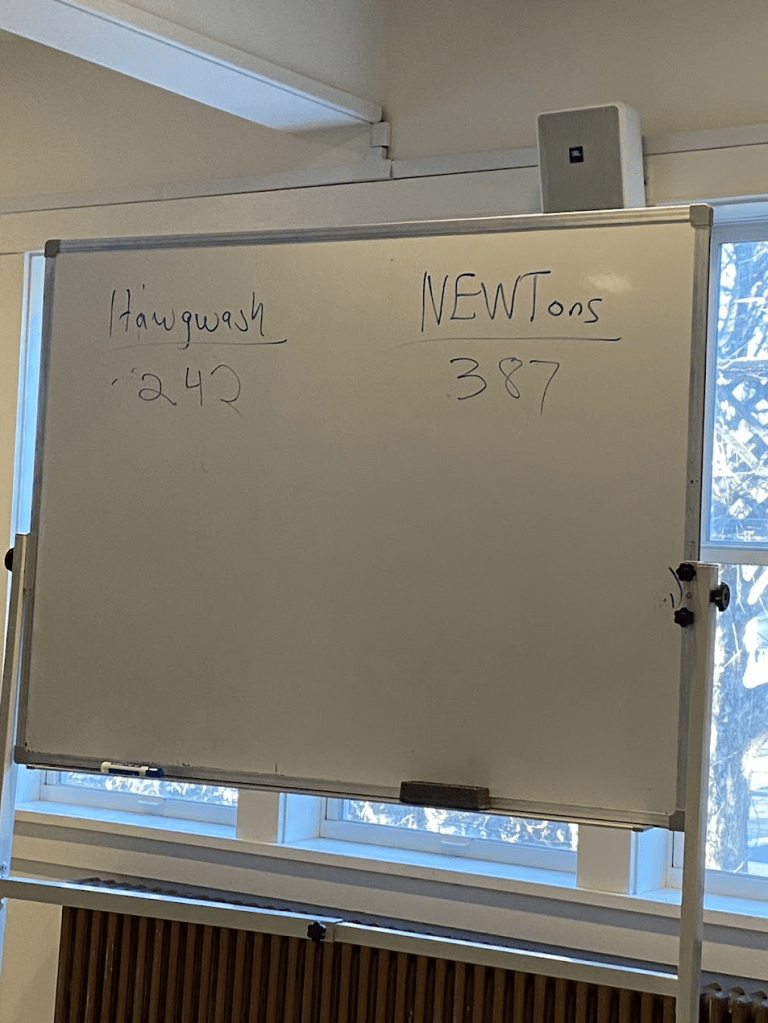
During the 2025-2026 academic year, a group of TEEN DAY Ithaca participants set out to create an innovative program to support their peers. Eleven teens registered for Lead4Change – a leadership program where they developed skills they would need; created an initiative (OPT-In) to help their community; and, eventually, applied for a grant to continue funding this project.The team applied for a grant of $10,000, and they were rewarded the full amount to go toward funding this project into the future!
Join Us!
TEEN DAY Award Ceremony and Reception
August 17th @ 5pm
Third Street Meetinghouse
120 Third St., Ithaca
Lead4Change and OPT-In
Lead4Change is a curriculum for grades 6-12. It teaches skills such as leadership, self-awareness, teamwork, problem-solving, career-readiness, and goal setting.
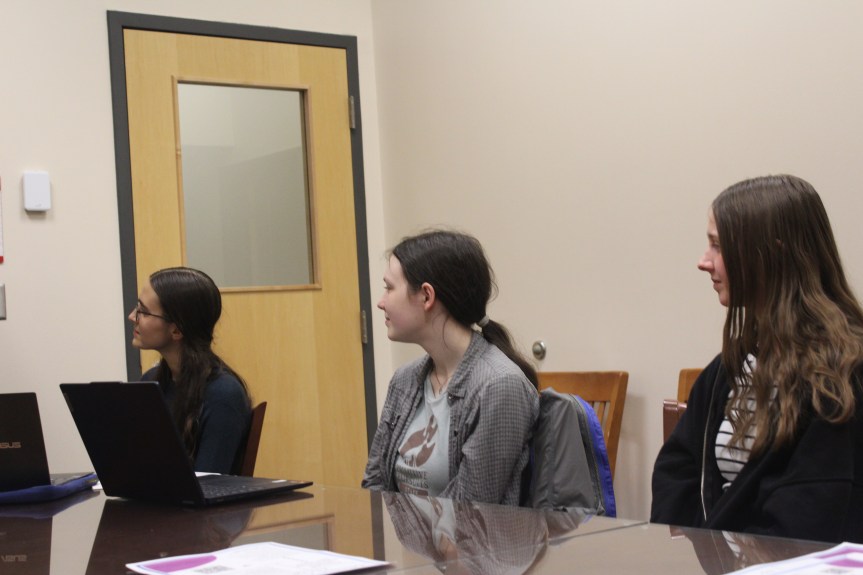
A group of students came together weekly to work through the Lead4Change curriculum. Throughout the process, the teens met together to watch lessons, complete worksheets, and plan for their project.
In the 2024—2025 school year, a group of three teens had participated in Lead4Change (they also achieved a grant of $10,000!) Two came back, and they brought the community initiative they had worked on last year.
“It’s helped me to develop a lot more confidence in leading something and also just understanding what that takes.” -Amaya (L4C and OPT-In participant)
That project is called the On Purpose Teen Initiative (OPT-In). It is an initiative designed to support teens both financially and socially as they explore their interests, build skills, and bring ideas to life.
OPT-In strives to bring encouragement and community and motivate teens to take that first step with their ideas. Participants work on self-directed projects of their choice: anything from creative pursuits, to hands-on builds, to community initiatives.
To support these projects, OPT-In offers microgrants of up to $100; weekly meetings for support, troubleshooting and accountability; and a collaborative, teen-centered community. This was all led and organized by many of the teens who participated in Lead4Change.
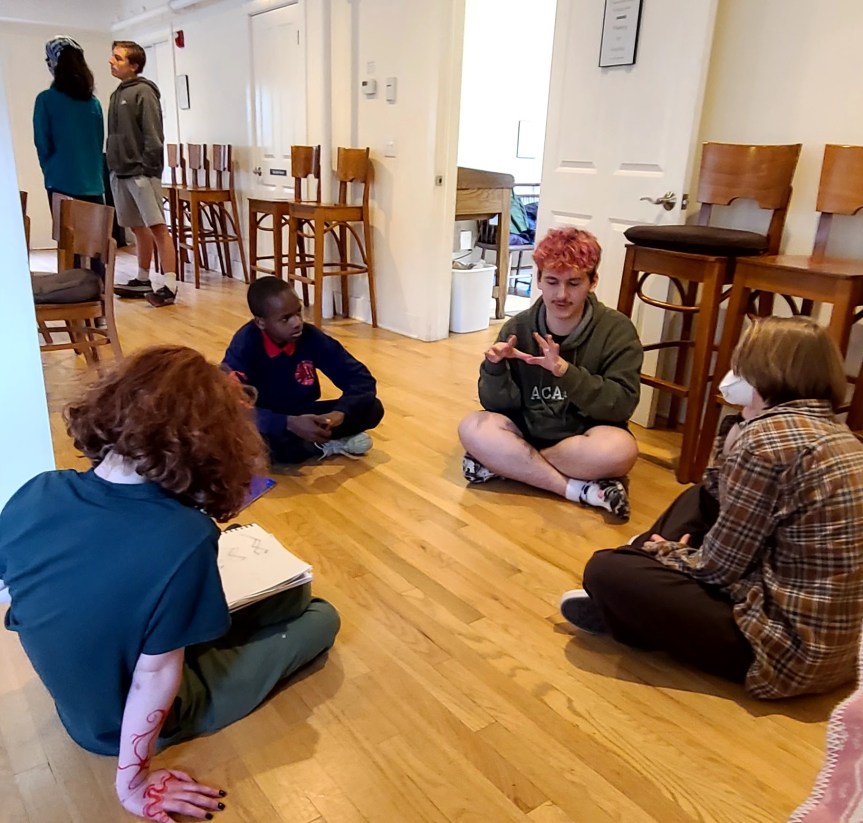
“It was really nice to have peer support and to have a schedule and fun meetings.” -Anya (OPT-In participant)
OPT-In was able to support 15+ teens this cycle (some were also members of the Lead4Change team), each with a unique project. Projects included building a playhouse, creating a website to help teens find volunteer opportunities, designing and making an outfit, long-distance walking, crocheting small cats, designing a board game, and more.
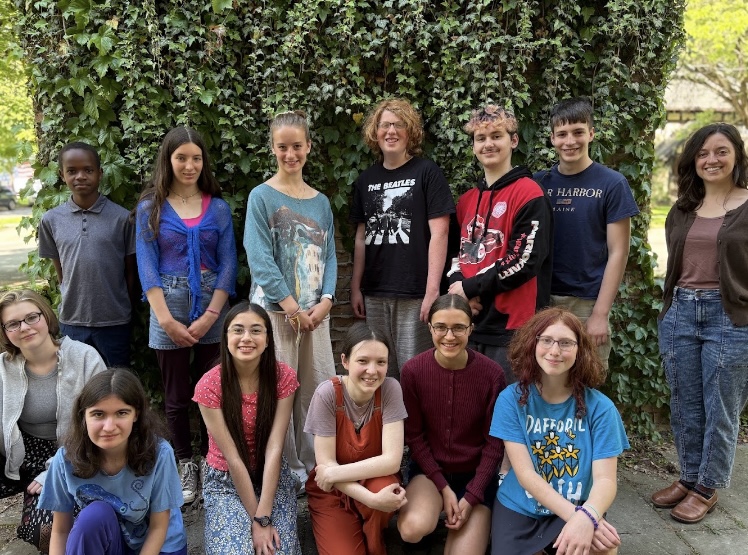
Some projects needed funding, and some just needed accountability and support. At the end of the cycle, there was a showcase, where participants could display and/or present their process and result.
OPT-In has had a positive impact on many teens so far.
“I think I grew a lot in this program, both from a leading standpoint and from contributing peer support.” -Lonny E.
“I think it made me realize just how much I could get done if I decided that I wanted to.” -Abby
Looking Ahead
With this $10,000 grant, TEEN DAY plans to continue cycles of OPT-In for the school years of 2026-2027 and 2027-2028…and hopefully beyond that! There will be some changes and improvements building off the success of the first year, including raising the maximum microgrant amount to $200.TEEN DAY is so proud of this team, and are looking forward to the 2026-2027 cycle!