Earth Science

“Earth [is] a complex, constantly changing, “living” system, and something [we] are already part of and can help protect.” Amanda Gray
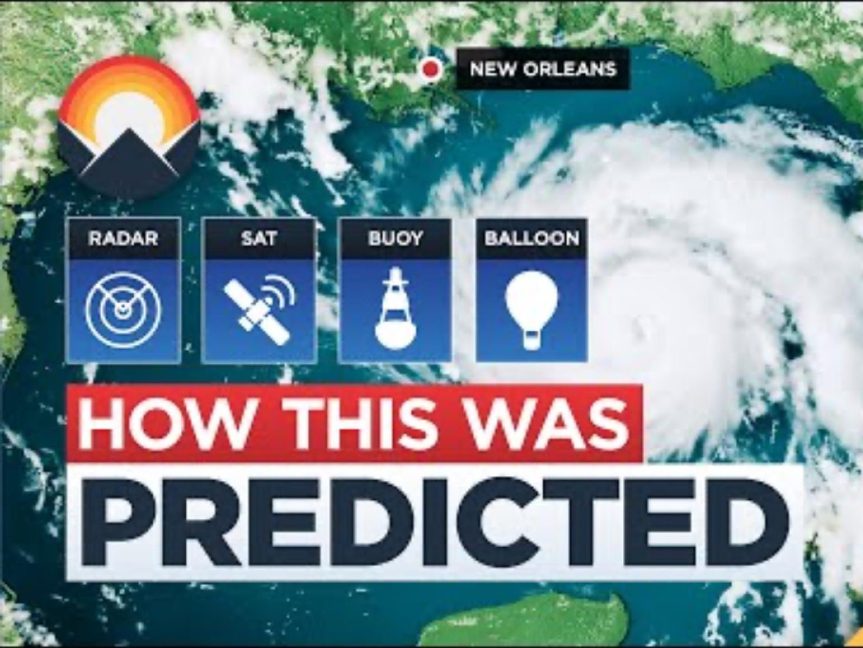
Earth Science is a large topic that can be understood most basically as any science that has to do with the Earth. This includes geology, meteorology, astronomy, and more. The Earth is a complex and interconnected system that is constantly changing. In this class, students are learning that not only does the Earth evolve on its own, but their actions affect the planet.

“I find the class interesting and we have done some really fun labs.” — Emmett G.

Every class, students are tasked with bringing in a relevant news article about earth science and then to discuss them. This emphasizes the fact that this science is not just something to study but rather is actively taking place, and everybody is contributing to it. This takes the student’s learning outside of the classroom and applies it to the real world, with real-world examples.

Amanda Gray is the teacher for this course, and she is extremely enthusiastic about it. She works as a math and science tutor at Tompkins Cortland Community College (TC3) and has previously taught various math and science courses at TEEN DAY Ithaca. This is her first year teaching Earth Science, but she has naturally come across similar topics in her other courses. Her goal is to make math and science accessible and fun for everybody involved.

Students have already learned about the scientific method, geologic time, rock types, plate tectonics, and the water cycle. They will explore new topics as the year continues, such as meteorology, oceanography, astronomy, and environmental science. An advantage to learning about these topics at TEEN DAY is that the class can slow down for complicated concepts or if those interested are especially interested in a specific topic.
Another key aspect of this course is the labs and presentations. Labs present students with hands-on, tactical learning. TEEN DAY’s lab equipment is used alongside household items and everyday materials, highlighting the accessibility of earth science study. Students present on topics like minerals, water quality, and natural disasters. The goal of these presentations is to connect the concepts they have learned in class to real places and stories. This, again, highlights how these are things that students aren’t just learning in a textbook, but rather are real and applicable in the real world.

“I enjoy the class, and my favorite thing about it is at the beginning when we all share Earth science news stories, because I get to learn a little about what’s happening in science right now” — Walter H.

Reacting to the Past: The July Crisis

The year is 1914, and war is imminent. Archduke Franz Ferdinand was just assassinated, and the complex web of alliances brought Europe and the rest of the world into the First World War.

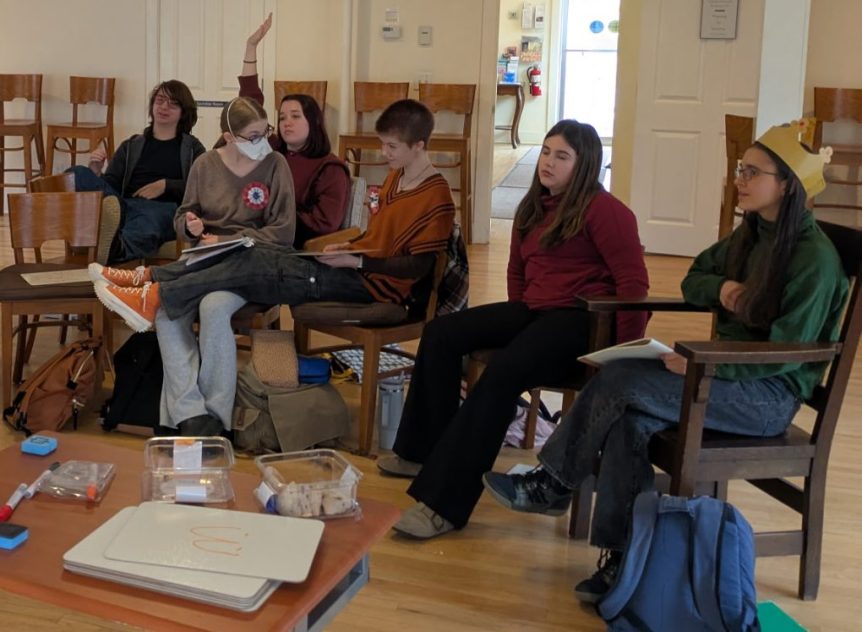
In this unconventional class, students will take an active part in their learning. They will be tasked with role-playing key historic figures in charge of important, world-altering decisions. Students will research and gain an understanding of historical issues and their nuances. The goal of this class is not to recreate the past, but rather to explore the complexities of human nature and gain an understanding of both historical and contemporary political figures.

“These are games, but they are also spaces for learning.” – Mike Timonin, Instructor

The course is set up so that the students will have a few days in class to discuss readings and research background information. Then, characters are assigned, the scenario is set, and the fun begins. This year, the class will be covering the beginnings of World War I. Over the next several classes, the scenario will play out while the instructor, Mike Timonin, introduces interesting and complex variables. While he will be overseeing the course, it is student-led and directed, meaning students actively shape their own education.

Mike Timonin is a professor at Tompkins Cortland Community College as well as a long-time TEEN DAY instructor…and he’s super enthusiastic about history. About ten years ago, he attended the conference of the American Historical Association. There were several guest speakers there, including Mark Carnes, the person who created the Reacting to the Past (RTTP) curriculum. About five years after that, Mike introduced RTTP to his class for the first time. Since then, he has learned a lot from these classes and believes TEEN DAY has a unique setup that is perfect for a class like this. Students are able to devote an entire semester to one topic rather than jumping quickly between various topics. This allows students to better grasp the complexities of life during these times and deepens their understanding of historical events.

“My favorite thing about the course is how deeply you dive into the subject. […] I’ve never actually understood what happened to anywhere near the level I do with RTTP.” Lonny E.

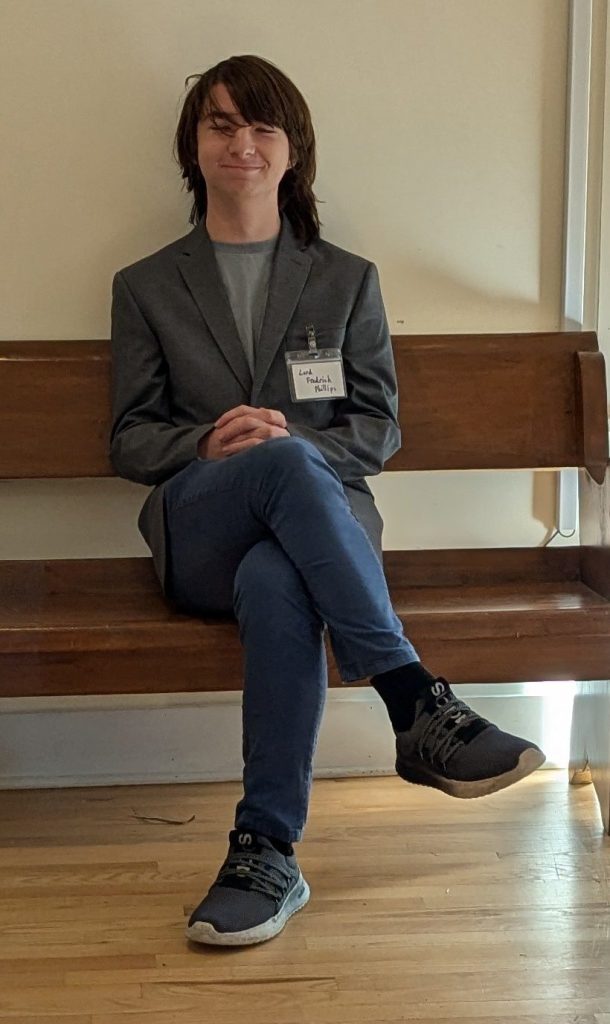
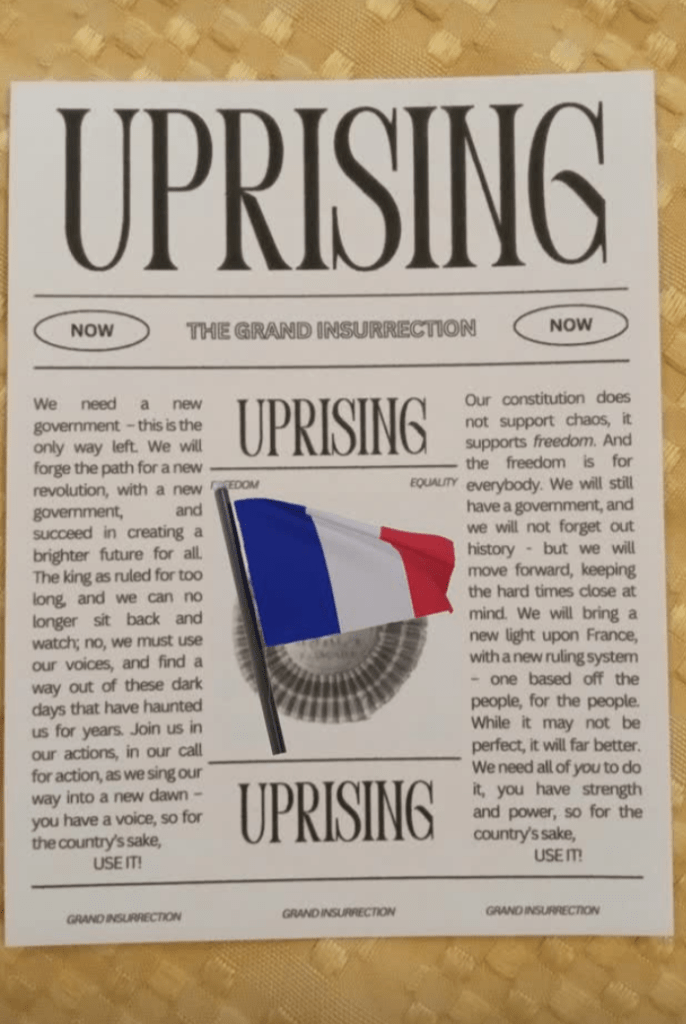
In previous classes, students covered the American and French Revolutions. In this, they were able to explore their creativity through scenarios such as hiding “tea”, stealing votes, and blackmail. There are so many options, especially with WWI.

“Personally, my favorite part of it all was the amount of creative liberties I got to take in the class with the roles and ‘powers’ that were given to me.” Logan

The first day of classes for RTTP is January 15 and there are still slots available. Email admin@teendayithaca.org for registration info.