We’re still waiting on one class description, but I just can’t wait to share these with you anymore!
Check out all ELEVEN awesome classes at Teen Day in 2018-2019! From core classes like science, history, math, and English to exciting supplements like debate, civics and computer programming to a double-class art block, there are classes for just about everyone! (In fact, my biggest frustration right now is not being able to sign up myself!)
Tailor your schedule to your specific needs and interests by selecting between the two classes offered in each of the day’s four periods. Class enrollment will begin May 31! (Further details on how to sign up for the add-on fifth period will be posted prior to class enrollment.)
Not registered for Teen Day in 2018-2019 yet? There is still time! Late registration runs until May 31.
Just a reminder to those registered for the 2018-2019 academic year that your registration fees are due today.* Please bring a check during Teen Day hours and leave it in the library, or use the contact link for a mailing address. Thanks!
*There will still be an option for late registration, but those registering and paying by the deadline will get first choice during class selection.
If you have already registered for Teen Day, don’t forget to pay your registration fee by May 1. Those registered and paid in full by May 1 will get first pick of the the classes when class selection begins!
A full day of classes for 12 and ups 9-3:15, PLUS a new optional, add-on 5th period!
Choices of which classes to take throughout the day, at least 2 per period!
A new slate of classes and teachers, such as Art with the Masters, Algebra, Chemistry, Debate, World History, Literature, and more! (Classes listed have not been completely finalized and are our best guess at the time of this email.)
More spaces available: openings for 24 participants!
More active administration to enable better communication between Teen Day and families, better website, better teen guidelines, better activities, just better!
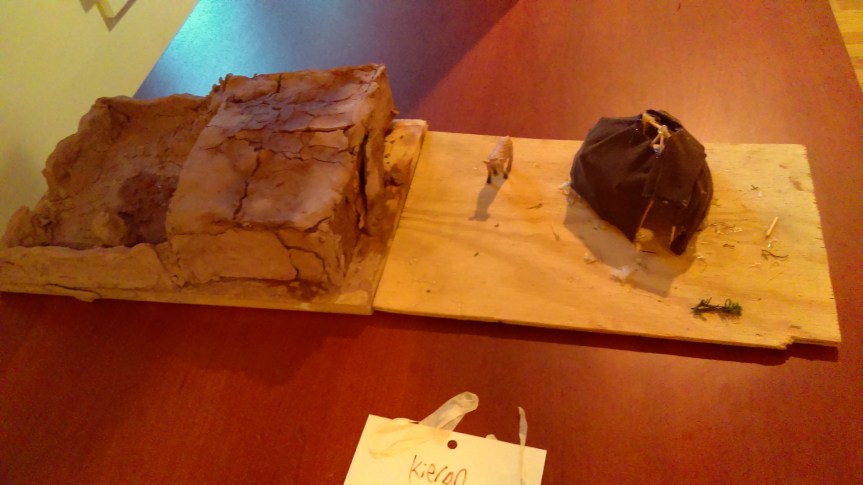
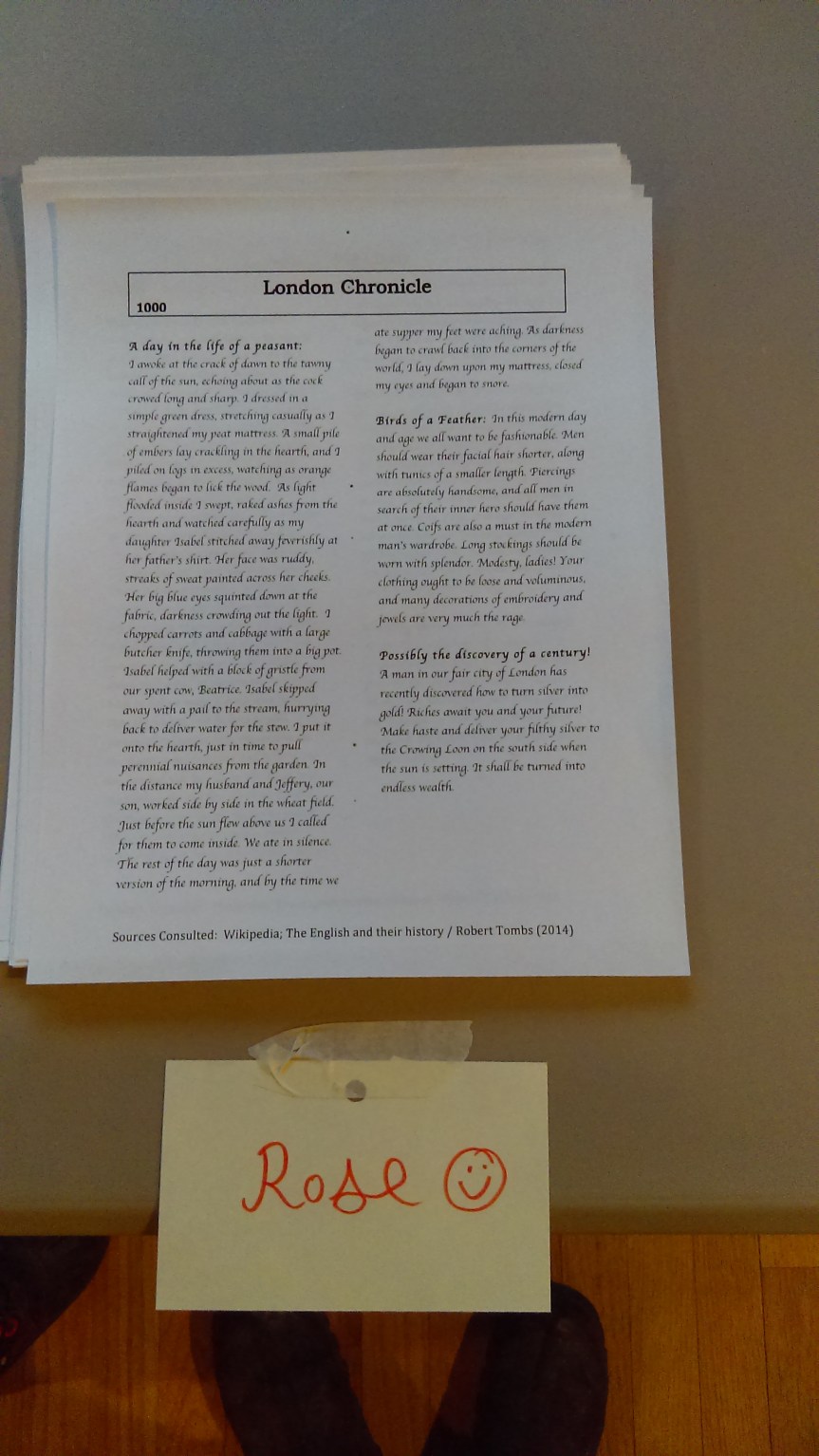
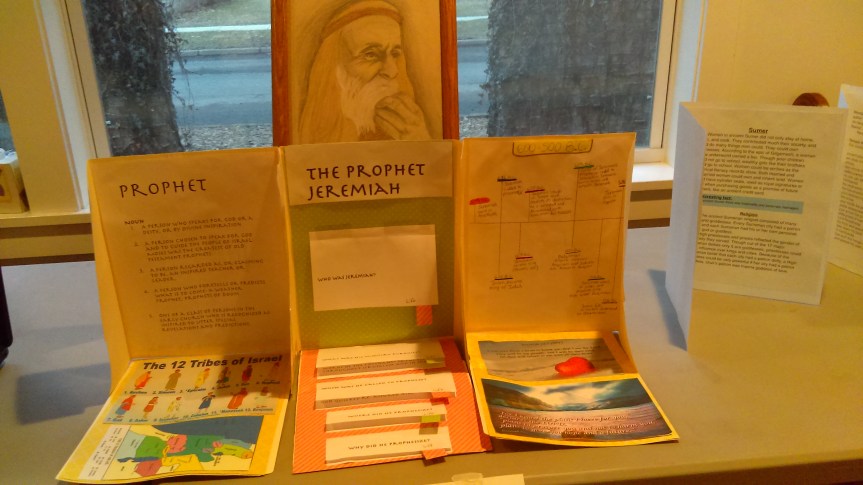
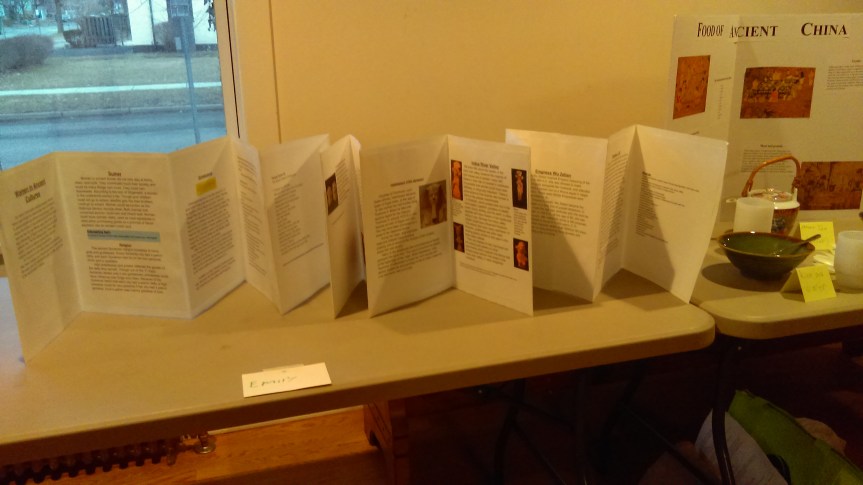
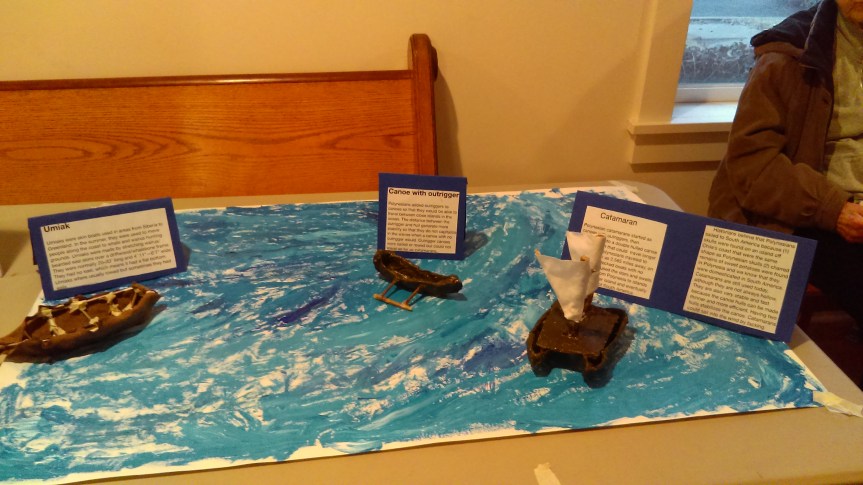
What a successful showing! Check out the displays put together by the World History: Prehistory through the Middle Ages class on this night of food, families, and fun!
Houses of the Ancient WorldHealth and Medicine in Ancient EgyptAncient Chinese ArchitectureLife of King DavidTemple of the SunLondon: 1000 ADAncient AlexandriaDaedalusThe Life of JeremiahWomen of the Ancient WorldWomen of the Ancient World (continued)Food of Ancient ChinaBoats in the Ancient World
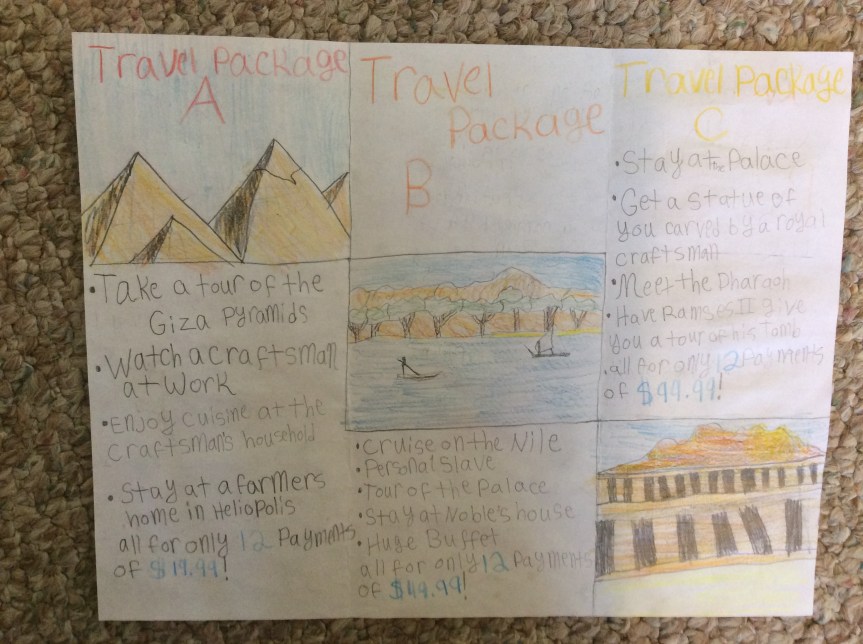
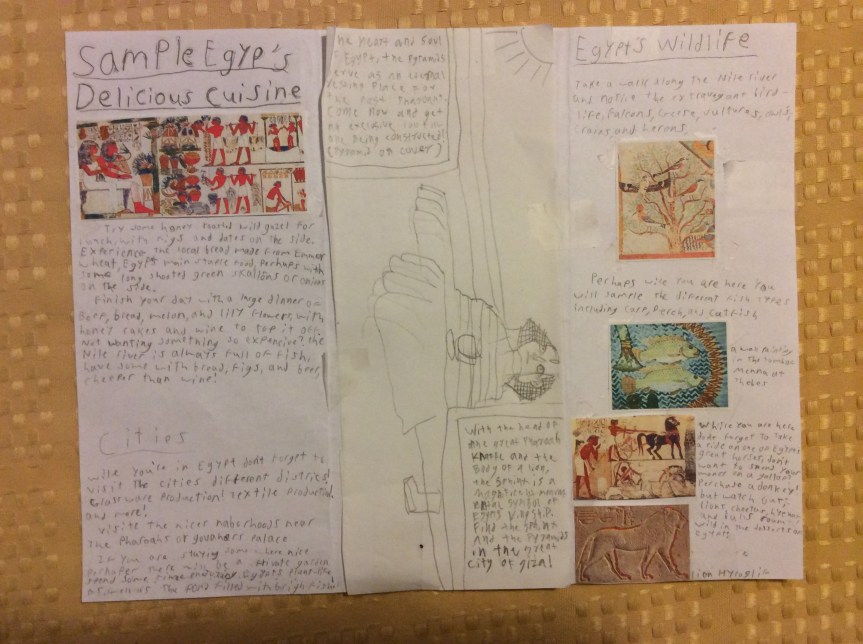
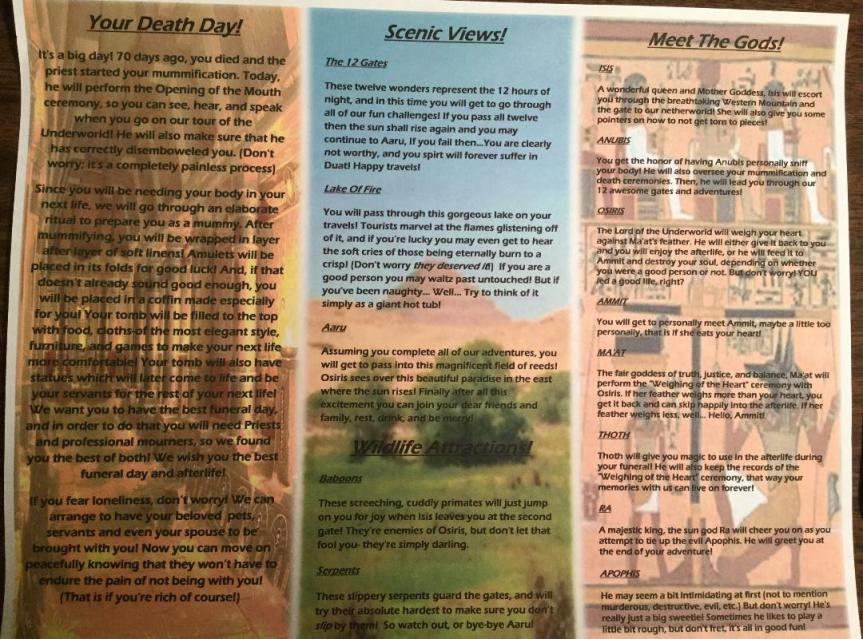
It’s a little known fact, but Teen Day participants are some of the foremost travel experts around. In fact, Teen Day is home to five different travel agencies, all ready to help you make your holiday travel dreams come true!
And where better then Ancient Egypt! Flip through our Ancient Egypt travel brochures below, and book your trip with one of our agents TODAY!
For reservations, contact agents Drew, Torin, and Oswald.
For reservations, contact agents Rose and Banyan.
For reservations, contact agents Takoda, Noah, and Kieran.
For reservations, contact agents Riley, Emily, and Henry.
For reservations, contact agents Romneya, Lexi, and Allyson.
A few weeks ago, the World History class read about King Hammurabi of Babylon and the well known Code of Hammurabi. (See this link for a synopsis of the Code.) In groups, Teen Day participants read some of the laws in the Code, and evaluated them—were they good laws? why were they made in the first place?
The Code of Hammurabi includes such gems as the (in)famous “an eye for an eye,” as well as less-known policies regulating when and for how long one can sell their children to cover a debt and an edict to kill the builder of a poorly constructed home.
In the end, we considered the question:
Did Hammurabi succeed in his stated goal “to cause justice to prevail in the land, to destroy the wicked and the evil, that the strong may not oppress the weak?”
Here are our answers:
If this question is referring to his laws, yes. Hammurabi seemed to understand what measures should be taken to prevent injustice, and wrote his laws accordingly (mostly).
– Romneya
Yes he did. Through his 282 codes, he brought a sense of fairness to the people, and order to society. And by trying to protect the people without much power, Hammurabi succeeded in fulfilling his second goal.
– Oswald
I do not think it worked perfectly, but I think it worked quite well for that time.
– Drew
Yes, Hammurabi did succeed in his stated goal “to cause justice to prevail in the land, to destroy the wicked and the evil, that the strong may not oppress the weak.” He did this by creating a set of laws called Hammurabi’s Code. Hammurabi’s Code helped people live together more peacefully, gave them some ordered society, and helped them view the world as a more stable, predictable place. Hammurabi’s Code was a step toward controlling violence, and was a sign of how far civilization was advancing.
– Lexi
Yes, he did! The eye for an eye law and other laws helped prevent people from being violent to each other, which stopped fights and wars between families, friends, and neighbors. With Hammurabi’s laws, a rich merchant could not take a poor man’s eye out without his own eye taken out. This law prevents bigger, richer, or stronger from oppressing the weak. Hammurabi’s law brought peace and justice to the land.
– Banyan
I believe that in a lot of ways this helped, however, in cases like slavery, just because of ethnicity, a person could be forced to do manual labor for years, possible a lifetime. I do believe that without the Code of Hammurabi, a lot more people would have been killed or injured for unjust reasons.
– Rose
Based on what I read in chapter 7, I believe that he did make it a much better place. His laws seemed to well reflect on the culture, although I doubt they would be used in present day.
– Noah
He was almost successful in that. But the strong still opposed the weak, because one of his codes says someone who can’t pay their debts becomes a slave for a significant amount of time.
Teen Day Ithaca is THRILLED to introduce our newest instructor: Ryan Ashton! Ryan will be taking on the Electronics and Robotics class this year. Be sure to check out the course description for updated information as well as a look at Ryan’s pearly whites! You’ll have your chance to meet Ryan in person at the orientation on September 6.
Registration for Teen Day is NOW OPEN! Teen Day is the culmination of years of casual conversations, interviews, formal meetings, and more—an attempt to meet a need for a swath of teen homeschoolers and their families who were not being served. I hope you’re as excited as I am to put this thing in motion! Continue reading “Teen Day Registration is OPEN!”→
















 TEEN DAY Ithaca