


The year is 1914, and war is imminent. Archduke Franz Ferdinand was just assassinated, and the complex web of alliances brought Europe and the rest of the world into the First World War.
In this unconventional class, students will take an active part in their learning. They will be tasked with role-playing key historic figures in charge of important, world-altering decisions. Students will research and gain an understanding of historical issues and their nuances. The goal of this class is not to recreate the past, but rather to explore the complexities of human nature and gain an understanding of both historical and contemporary political figures.
“These are games, but they are also spaces for learning.” – Mike Timonin, Instructor
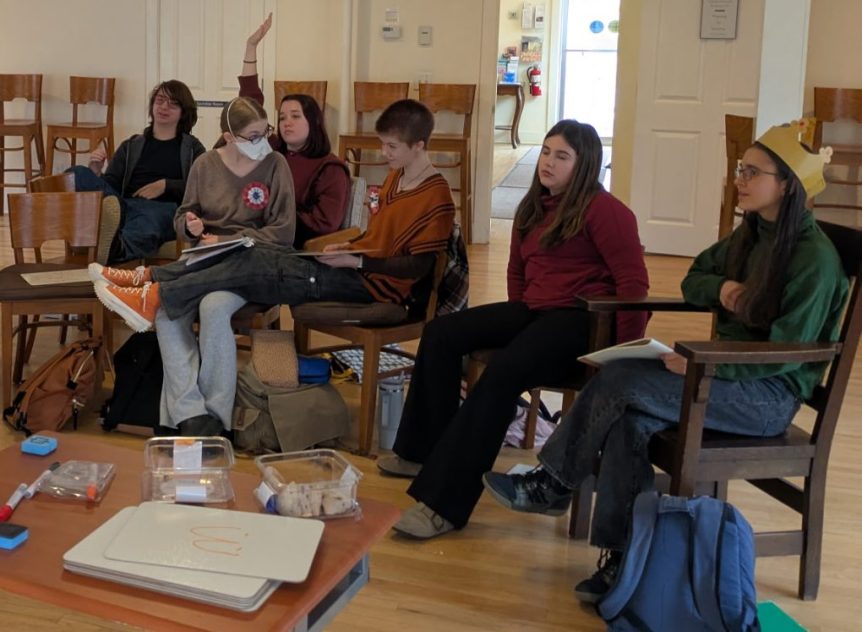
The course is set up so that the students will have a few days in class to discuss readings and research background information. Then, characters are assigned, the scenario is set, and the fun begins. This year, the class will be covering the beginnings of World War I. Over the next several classes, the scenario will play out while the instructor, Mike Timonin, introduces interesting and complex variables. While he will be overseeing the course, it is student-led and directed, meaning students actively shape their own education.
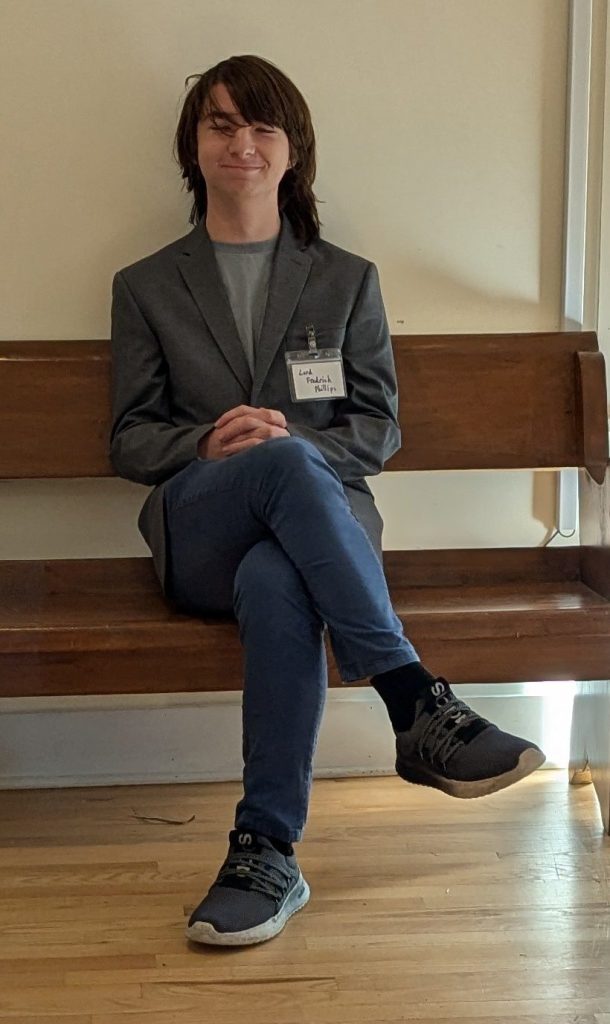
Mike Timonin is a professor at Tompkins Cortland Community College as well as a long-time TEEN DAY instructor…and he’s super enthusiastic about history. About ten years ago, he attended the conference of the American Historical Association. There were several guest speakers there, including Mark Carnes, the person who created the Reacting to the Past (RTTP) curriculum. About five years after that, Mike introduced RTTP to his class for the first time. Since then, he has learned a lot from these classes and believes TEEN DAY has a unique setup that is perfect for a class like this. Students are able to devote an entire semester to one topic rather than jumping quickly between various topics. This allows students to better grasp the complexities of life during these times and deepens their understanding of historical events.
“My favorite thing about the course is how deeply you dive into the subject. […] I’ve never actually understood what happened to anywhere near the level I do with RTTP.” Lonny E.
In previous classes, students covered the American and French Revolutions. In this, they were able to explore their creativity through scenarios such as hiding “tea”, stealing votes, and blackmail. There are so many options, especially with WWI.
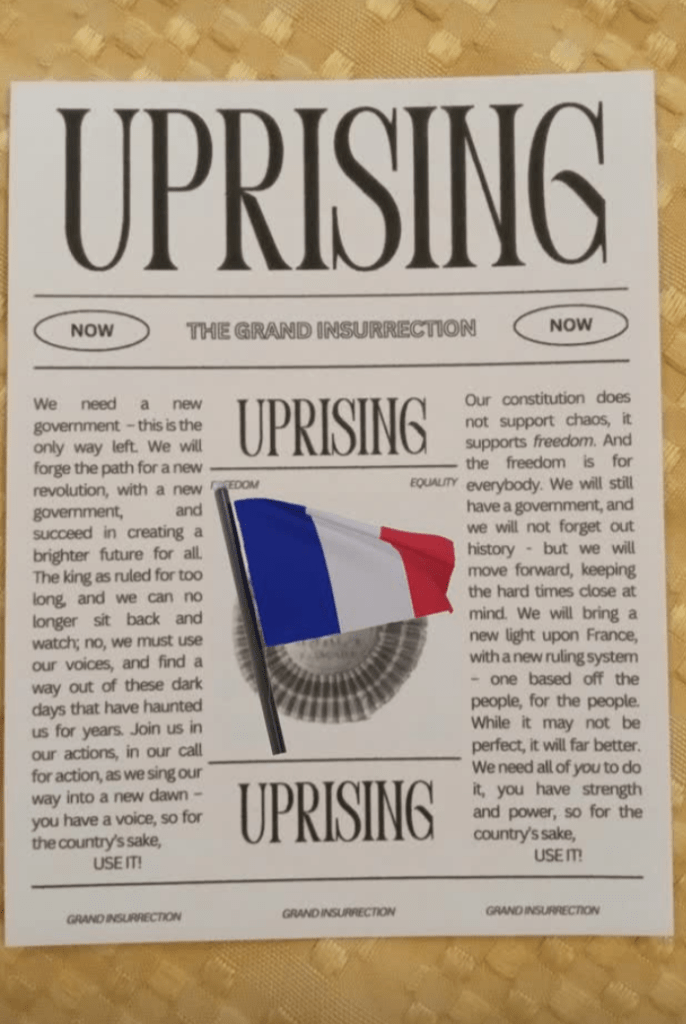
“Personally, my favorite part of it all was the amount of creative liberties I got to take in the class with the roles and ‘powers’ that were given to me.” Logan
 TEEN DAY Ithaca